800.942.4447


 Addresses
 Wallet
 Orders
 Invoices
 Item History
 Favorites
 Change Password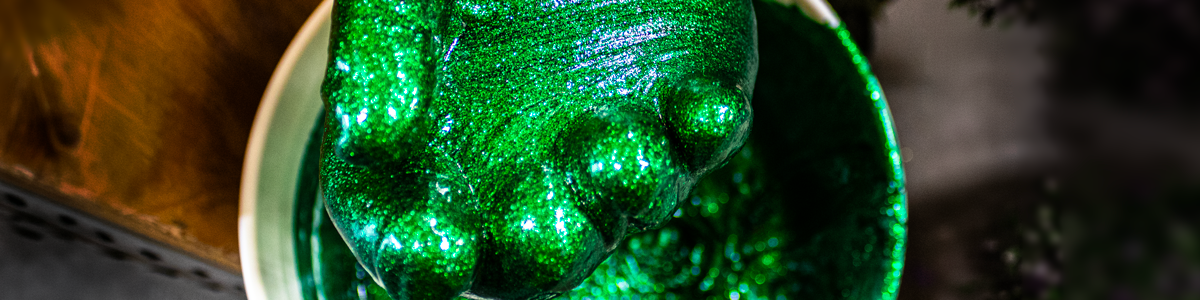
Glitter screen printing ink can cost more to purchase and use than ordinary plastisol, but it creates a visual effect that standard ink cannot reproduce. Large reflective flakes catch the light and give garments a bright, premium appearance that can justify a higher selling price.
Whether glitter ink is worth the extra cost depends on the artwork, customer, quantity, equipment, and amount you can charge for the effect. It provides the most value when sparkle is an important part of the design rather than an unnecessary addition to an otherwise ordinary print.
Why Does Glitter Ink Cost More?
The price of the ink is only part of the expense. Glitter printing usually requires a heavier deposit, coarser mesh, additional testing, and slower production than a regular spot color.
Its total production cost may include:
- A specialty ink containing large glitter flakes
- A separate coarse-mesh screen
- A heavier deposit per garment
- Additional setup and test prints
- Slower screen clearance
These costs do not necessarily make glitter unprofitable. They simply mean it should be priced as a specialty decoration rather than as an ordinary additional color.
What Makes Glitter Series Different?
Our Glitter Series contains large .008-inch hexagonal flakes. The effect is easy to recognize from a distance and in photographs under direct light. These flakes create a strong sparkle, but they also require much larger mesh openings than regular plastisol.
Glitter Series should normally be printed through 24 or 38 mesh. Any finer mesh may allow the clear or colored base to pass through while trapping the flakes inside the screen.
Reducer cannot solve this problem. Making the surrounding ink thinner does not make the glitter particles smaller.
When Glitter Ink Is Worth The Cost
Glitter ink is often worthwhile for designs where customers expect a noticeable decorative effect, including:
- Cheerleading and dance apparel
- School spirit wear
- Fashion and boutique shirts
- Holiday designs
- Concert and event merchandise
- Children's graphics
- Bold logos and large lettering
A specialty effect that adds several dollars to the selling price may be more profitable than an ordinary color, even when the ink and production costs are higher.
Account For Ink Usage When Quoting
With Glitter ink, cost per print is influenced by artwork size and deposit thickness. A small chest accent may use very little ink, while a large solid design printed through 24 mesh may consume a substantial amount of ink.
Your quote should consider:
- Size of the glitter area in the design
- One hit versus print-flash-print
- Whether an underbase is required
- Setup and cleanup time
- Additional test garments
- Expected production speed slow-downs
Do not charge for glitter as though it were a small standard spot color when the job actually requires a heavy full-front deposit.
Offer Glitter As A Premium Upgrade
Customers may resist a higher price when glitter is presented only as another ink color. It is easier to justify the cost when the effect is shown as a premium decoration option.
Keep printed samples available so customers can see how Glitter, Sparkle, and Metallic inks differ. The visual difference is much easier to understand on a finished garment than through a verbal description.
When possible, provide two quotes:
- A standard plastisol version
- A premium glitter version
This allows the customer to decide whether the added impact is worth the additional price.
When Glitter May Not Be The Best Choice
Glitter is less suitable when the customer wants:
- Small lettering
- Detailed line art
- A very soft print
- A smooth corporate appearance
- The lowest possible decoration cost
Glitter Versus Sparkle Ink
Large glitter flakes cannot reproduce the same detail as standard plastisol. Artwork should contain bold, open areas that allow the flakes to pass through the screen.
When full-size glitter is too coarse, our Sparkle Series provides a useful alternative. Its flakes are approximately half the size of those used in Glitter Series.
Sparkle Series can normally print through 38 to 61 mesh, allowing somewhat finer artwork while still creating a visible reflective effect.
Choose Glitter Series when maximum sparkle is the priority. Choose Sparkle Series when the artwork requires better definition.
Neither product is intended for extremely fine detail.
Glitter Versus Metallic Ink
When precision matters more than sparkle, a metallic ink may be the better option.
Our 180 Metallic Series can produce far better detail than glitter ink and is designed as an easy-to-print special-effect ink.
Metallic inks have a smoother, metal-like shine and better detail. A design needing small text and thin lines may look better with metallic ink as opposed to glitter or sparkle ink.
Artwork Should Be Designed For Glitter
Using glitter only in specific parts of the artwork can make the effect more noticeable while controlling ink cost and finished print weight.
Glitter performs best in:
- Large letters
- Bold outlines
- Open shapes
- Background accents
- Selected areas within a larger design
Use The Correct Squeegee
Glitter should not be printed with the same pressure used to force ordinary ink through fine mesh. Heavy pressure can push the base into the garment while leaving many glitter flakes behind in the screen.
A softer squeegee helps deposit the flakes on the fabric surface. Our Squeegee Rubber is available in several hardnesses, including 50 durometer, which is especially useful for glitter printing.
Use light, controlled pressure. The objective is to clear the stencil and leave a substantial deposit on top of the garment rather than drive the ink deeply into the fibers.
Flood The Screen Heavily
Coarse mesh holds a large amount of ink, and the image must remain fully flooded. A thin layer of glitter ink may allow the base to pass while failing to carry enough flakes into the artwork.
For consistent results:
- Load the screen with more ink than a standard color
- Keep the complete image area flooded
- Use a slow, complete flood stroke
- Maintain light, even printing pressure
- Stir the ink gently if the flakes begin settling
A screen without enough ink may produce an uneven design with strong sparkle in one area and very few flakes in another.
Should Glitter Be Printed Over An Underbase?
Glitter can create different appearances depending on the garment and printing method.
Printing directly on dark fabric may create a more open effect in which the garment shows between the flakes. Printing over a white or colored underbase can provide a more solid background and influence the finished color.
Print-flash-print may increase coverage and sparkle, but it also uses more ink and creates a heavier surface. Test several methods before deciding which appearance best matches the design.
When an underbase is used, keep it thin so the finished print does not become unnecessarily thick.
Final Thoughts
Glitter screen printing ink is worth the extra cost when the sparkle adds meaningful value to the finished garment. It works particularly well for fashion, spirit wear, dance, event, and promotional designs where customers will pay more for a visible specialty effect.
Use the Glitter Series for maximum sparkle with bold artwork. Choose the Sparkle Series when smaller flakes and somewhat finer detail are needed. Consider the 180 Metallic Series when detailed artwork is more important than large glitter flakes.
The added cost becomes profitable when the job is designed, printed, and priced as a specialty product. Use the correct mesh, flood heavily, print with light pressure, use a soft squeegee, and charge appropriately for the best result.