800.942.4447


 Addresses
 Wallet
 Orders
 Invoices
 Item History
 Favorites
 Change Password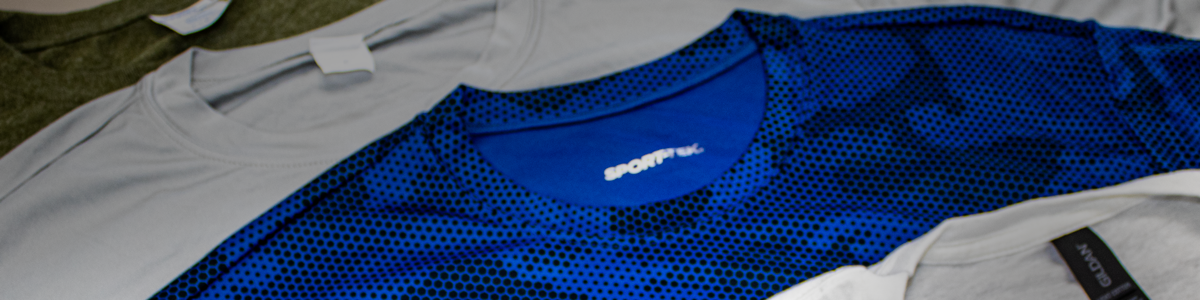
At first glance, a T-shirt seems like one of the simplest garments you can buy. Pick a color, choose a size, add a design, and you're done.
But put several T-shirts side by side and the differences become obvious. Two shirts that look nearly identical online can feel completely different in your hands, fit differently on the body, respond differently after washing, and create very different impressions once decorated.
That means there really isn't one universally "best" T-shirt. The better question is: Which T-shirt is best for the job you're producing?
Whether you're creating company apparel, retail merchandise, a clothing brand, event shirts, or promotional giveaways, understanding a few basic garment characteristics can help you choose a blank that looks better, prints better, and gives your customer the experience they expect.
1. Fabric Weight Changes More Than Just the Feel
Fabric weight is one of the easiest specifications to compare, but heavier doesn't automatically mean better.
A lighter-weight tee can feel soft, breathable, and comfortable, making it a good choice for warm weather, promotional apparel, or customers who prefer a less structured garment. A heavier shirt generally feels more substantial and can create a more structured silhouette.
The important thing is matching the weight to the intended product.
- A lightweight shirt may be ideal for warm-weather events, giveaways, and everyday casual wear.
- A midweight shirt can offer a useful balance of comfort, durability, and versatility.
- A heavyweight shirt may be better suited for premium merchandise, streetwear, or applications where a more substantial garment is desired.
Don't choose by weight alone. Choose according to the experience you want the finished shirt to provide.
2. Pay Attention to the Yarn, Not Just the Fiber Content
Seeing "100% cotton" on a specification sheet doesn't tell the whole story.
How that cotton is processed and spun into yarn can make a noticeable difference in the finished fabric. Ring-spun cotton, for example, is generally associated with a smoother and softer hand than traditional open-end cotton. Combed cotton goes through an additional process that removes shorter fibers and impurities, helping create a cleaner and more uniform yarn.
These differences can affect how a shirt feels, how smooth the printing surface is, and how the finished garment is perceived by the customer.
A customer buying inexpensive shirts for a one-day event may have very different expectations from someone purchasing a premium branded shirt from a retail line. The blank should support the price and positioning of the finished product.
3. Fit Can Make an Inexpensive Shirt Feel Premium
Fabric gets a lot of attention, but fit can have an equally important effect on how someone perceives a T-shirt.
Shoulder width, sleeve length, chest width, body length, collar opening, taper, and overall silhouette all affect how the garment looks when worn. That's also why two shirts labeled as the same size can produce very different results.
Common fit styles include:
- Traditional or classic fit: Typically roomier through the chest and body.
- Fashion fit: Often slimmer through the body with more fitted sleeves.
- Athletic fit: Usually shaped through the torso while allowing room through the shoulders and chest.
- Relaxed or oversized fit: Designed to provide a looser, more contemporary silhouette.
For decorators, sample garments can be extremely valuable. A specification sheet provides measurements, but actually putting the shirt on someone or comparing several blanks side by side can reveal differences that numbers alone may not.
When possible, evaluate a sample before committing to a large production run.
4. Take a Close Look at the Collar
The collar is a relatively small part of a T-shirt, but it can have a surprisingly large effect on perceived quality.
Look at how the collar sits when the shirt is new. Is it flat and consistent? Does it feel substantial enough for the rest of the garment? Is the neckline appropriate for the intended style?
Then pay attention to what happens after laundering.
A shirt can have excellent fabric and a good fit, but if the neckline quickly stretches, ripples, or loses its shape, the entire garment can begin to look worn.
When evaluating a new blank, don't judge the collar only when the shirt comes out of the box. Wash the garment and see how well the neckline maintains its original shape.
5. Consider Shrinkage Before You Commit to a Blank
A shirt that fits perfectly before washing isn't necessarily a shirt that will fit perfectly afterward.
Cotton garments can experience dimensional changes during laundering, and the amount of shrinkage can be influenced by the fabric, yarn, knit construction, manufacturing process, finishing process, and how the garment is washed and dried.
For decorators, a simple wash test can provide useful information before committing to a large order.
For a basic test:
- Measure the garment before decorating it.
- Decorate the shirt using your normal production process.
- Wash and dry it according to the garment's care instructions.
- Measure the shirt again.
- Inspect both the garment and the decoration.
Don't look only at whether the shirt became smaller. Check the body length, width, sleeves, collar, side seams, overall shape, fabric surface, and decorated image.
A few dollars spent testing a shirt can prevent a much more expensive problem after hundreds of garments have already been produced.
6. The Best Shirt Is Also the One That Works With Your Decoration
A great undecorated T-shirt isn't automatically the best blank for every decorating process.
The finished product is a combination of garment + decoration.
Surface texture, fiber content, fabric color, knit construction, garment treatments, and other characteristics can influence how well a shirt works with a particular decorating method.
Depending on the process you're using, consider factors such as:
- How smooth the printing surface is.
- How well the garment accepts ink or another decoration method.
- Whether the fabric color affects opacity.
- Whether the garment can tolerate the required curing or application temperature.
- How the decoration feels after application.
- How both the shirt and decoration perform after laundering.
This is especially important when you're working with a blank you've never decorated before.
Before approving a major order, decorate the actual garment style and color you intend to use. Evaluate image detail, opacity, hand, adhesion or cure as appropriate for your process, and the appearance of the finished product after laundering.
A blank may feel fantastic by itself but still not be the right substrate for the particular effect you're trying to create.
7. Judge Value, Not Just Price
The cheapest shirt isn't always the most profitable shirt, and the most expensive shirt isn't automatically the best choice.
Think about what the customer is actually buying.
- For a promotional giveaway, keeping the garment cost low may be a major consideration.
- For employee uniforms, consistency, comfort, and durability may be more important.
- For an event shirt, availability across a large size and color range may matter most.
- For a clothing brand, fit, fabric hand, construction, and perceived quality may justify spending more on the blank.
A slightly more expensive blank that improves the finished product, increases customer satisfaction, or reduces complaints and replacements may ultimately provide better value than the lowest-priced option.
A Better Way to Compare T-Shirts
When choosing between several blanks, don't rely on a single specification.
Handle them. Wear them. Decorate them. Wash them.
When comparing shirts, consider:
- Fabric weight and hand
- Fiber and yarn construction
- Collar construction
- Seams and overall garment construction
- Fit and sizing consistency
- Printing surface
- Dimensional stability after washing
- Appearance of the decoration
- Availability of sizes and colors
- Cost of the finished garment
Most importantly, evaluate those characteristics according to the purpose of the shirt.
The best T-shirt for a landscaping company may not be the best T-shirt for a fashion brand. The best choice for a 1,000-piece charity event may be completely different from the right choice for a 50-piece premium merchandise drop.
There Is No Single "Best" T-Shirt
One of the most useful lessons from comparing T-shirts side by side is that quality isn't defined by a single number or buzzword.
Heavyweight doesn't automatically mean better. Neither does 100% cotton, ring-spun construction, a higher price, or an ultra-soft hand.
A great T-shirt is one in which the fabric, construction, fit, decoration, durability, price, and intended use all work together.
So the next time you're deciding between blanks, don't simply ask, "Which shirt is best?"
Ask instead:
"Which shirt will make this particular finished product the best it can be?"
That question will usually lead you to a much better blank.